Lights By Linea Product and Brand System, creating a scalable information and visual system for more than 1,000 lighting products across print, web and sales.
Lights By Linea was expanding its product range and commercial-lighting offering while introducing a refreshed visual identity. Its existing catalogue was severely outdated, and product information, imagery and branded materials needed to be rebuilt across the business.
The Problem
Sales teams, architects and developers needed an accurate, navigable resource for comparing and specifying products. The business also needed its new identity applied consistently across catalogues, technical documents, its website, vehicles and marketing materials.
Constraints
I delivered the project as the company’s sole designer while continuing to manage ongoing website, social media and marketing work. Source information varied between suppliers, imagery was frequently incomplete, and specification changes had to be reflected across multiple connected outputs. Accuracy was critical because the catalogue was used to specify products for both commercial and residential developments.
My Role
Working with strategic direction and final approval from the CEO, I independently owned the design and production process.
This included:
- Establishing the visual and information system
- Organising the product hierarchy
- Designing catalogue and specification templates
- Sourcing, editing and managing product imagery
- Collecting and verifying supplier data
- Maintaining website content
- Preparing final artwork and managing print suppliers
- Extending the identity across company and marketing touchpoints
The Process
1. Structuring the product range
I worked with the CEO to organise more than 1,000 products into eight primary categories and their supporting subcategories. The hierarchy informed the catalogue, brochures, website content and sales resources.
2. Building reusable templates
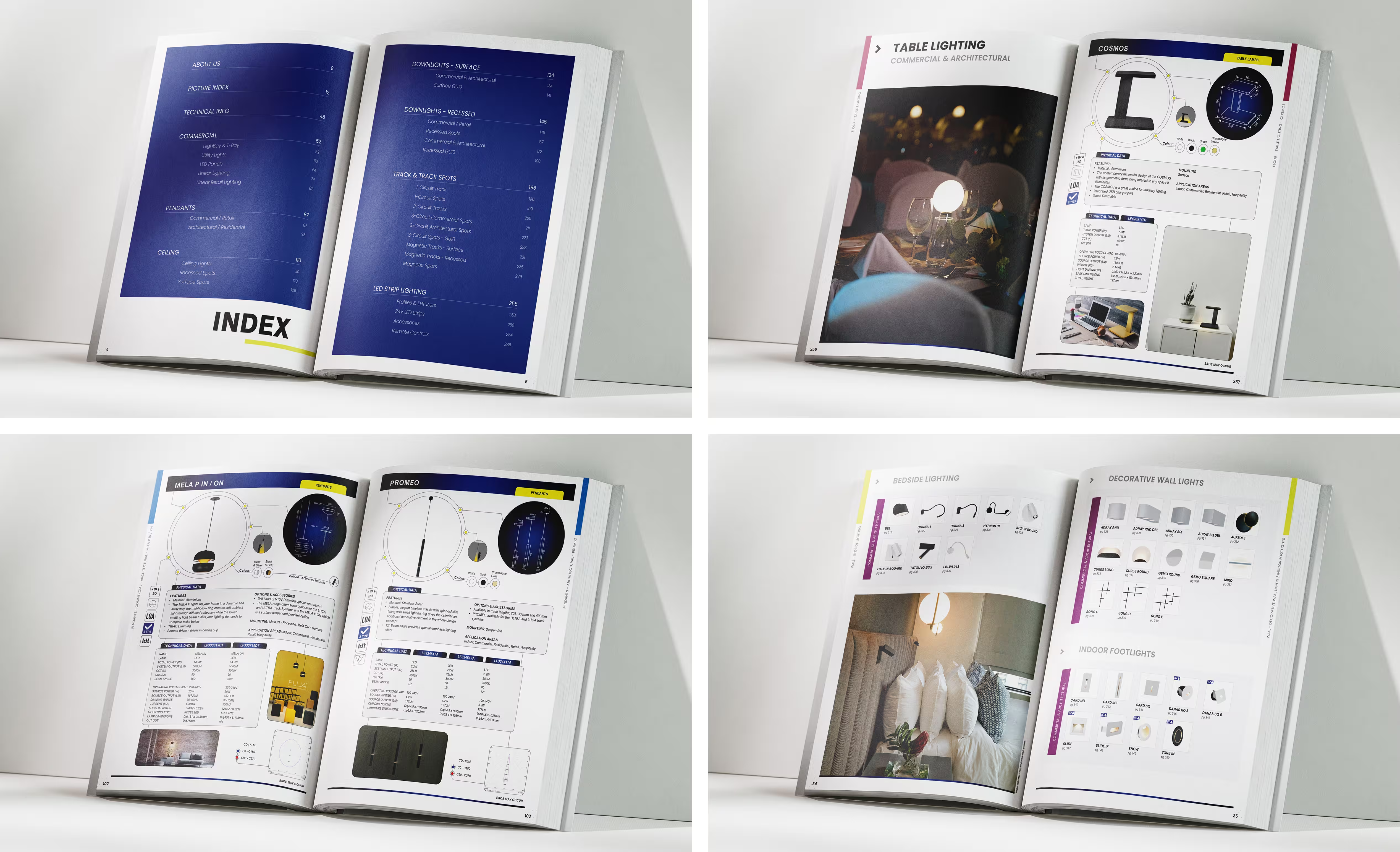
I created a modular InDesign system using master pages, paragraph styles, repeatable specification tables, image treatments and category markers. This allowed a large and varied product range to remain visually consistent and easier to maintain.
3. Creating a reliable content library
I sourced technical information from suppliers, verified specifications and organised product imagery, drawings and documentation in a shared file system. Missing product photography was produced and edited internally when necessary.
4. Quality control and production
Every product image, technical drawing and specification passed through my workflow. I checked the final catalogue, prepared it for print and worked directly with the supplier to select materials and finishes appropriate for frequent use and long-term durability.
Key Work
- Product catalogue
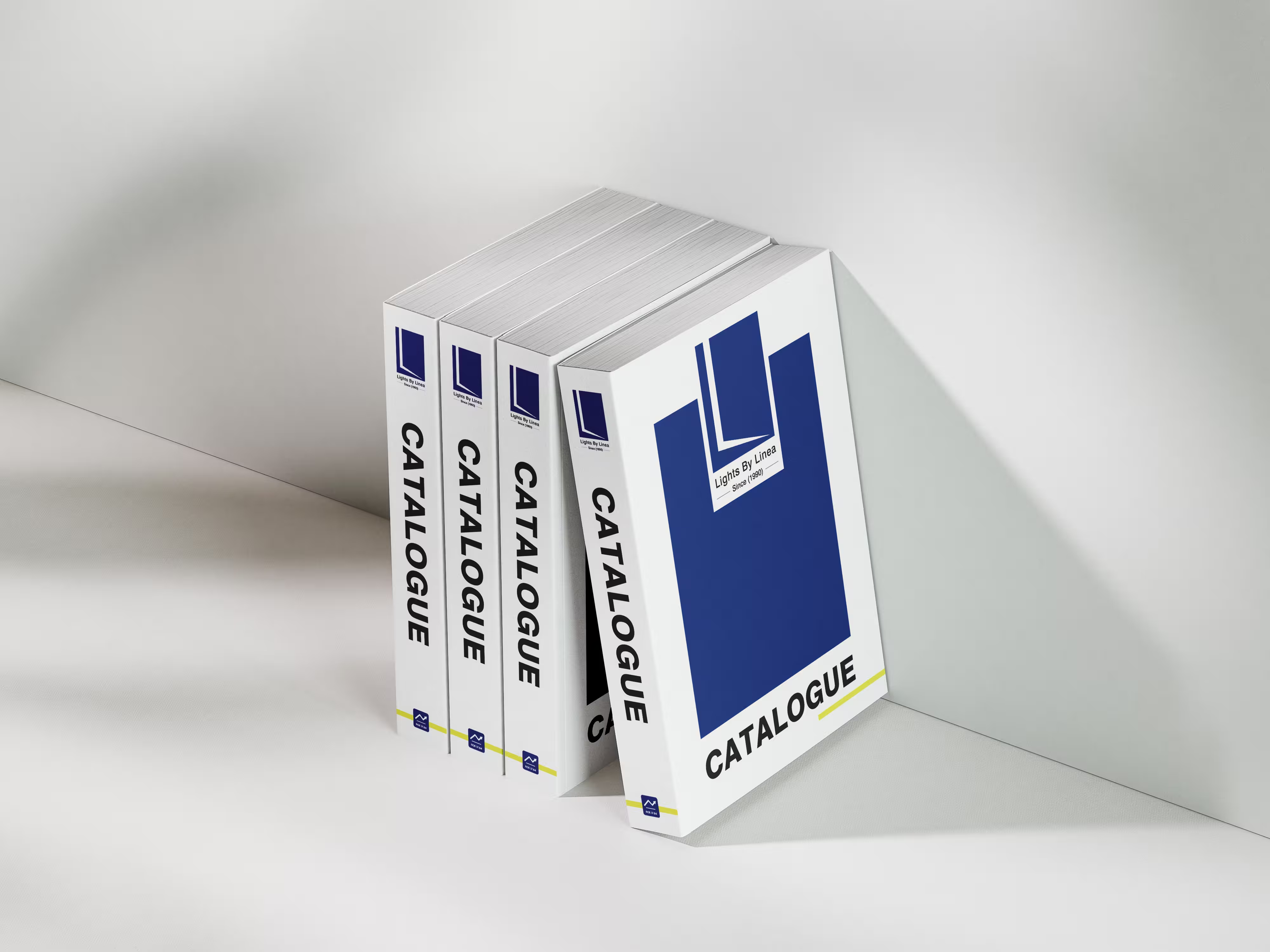
A roughly 500-page catalogue containing more than 1,000 products across eight principal categories. It was produced for print, presentations, downloadable PDF distribution and online viewing.
- Specification system
Reusable product-page and specification-sheet templates brought technical data, drawings, imagery and available options into a consistent format across the catalogue and website.
- Corporate identity system
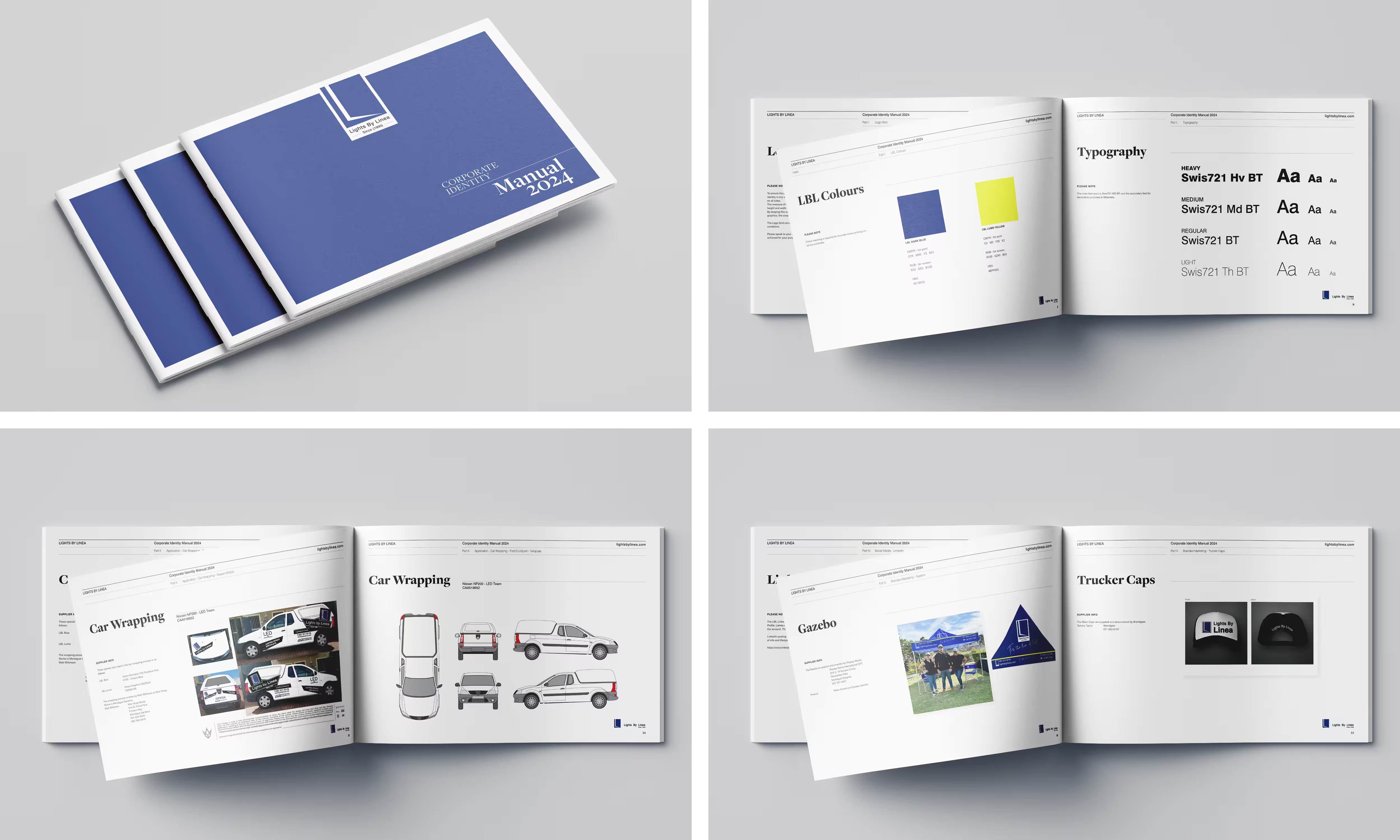
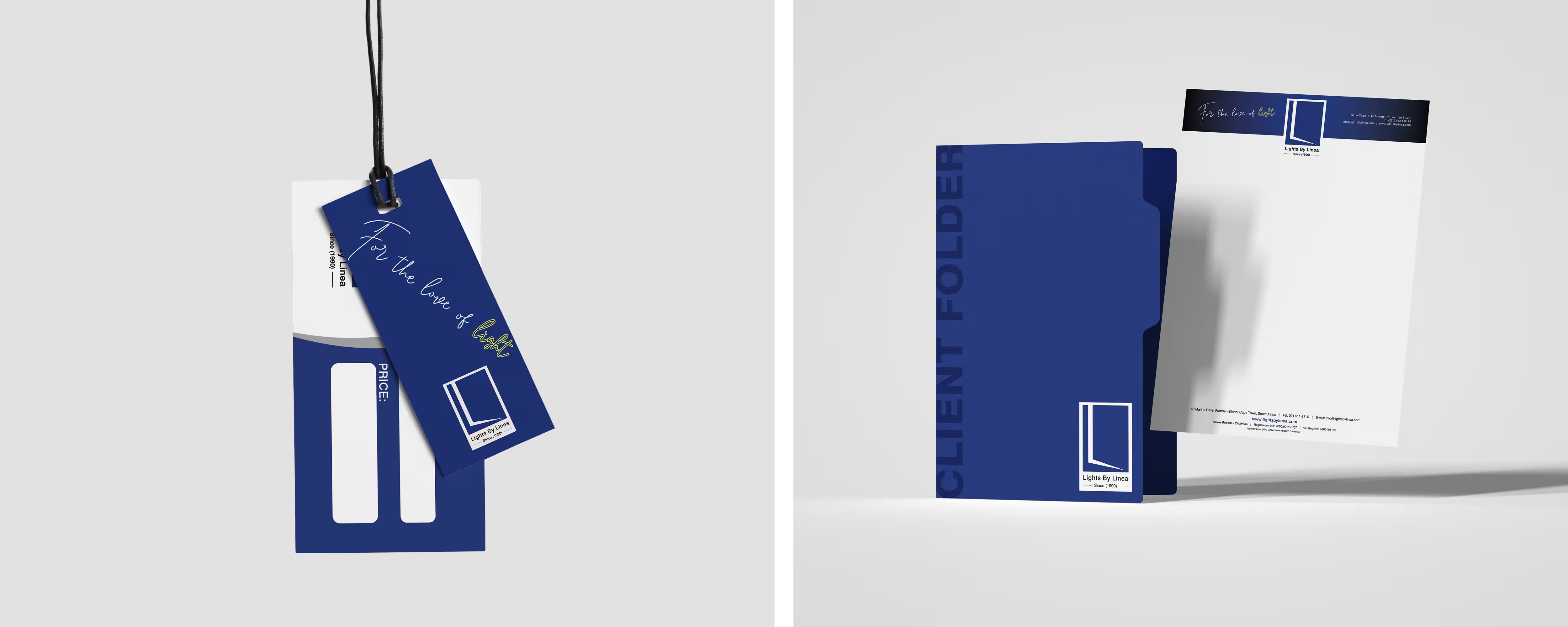
I formalised the refreshed identity through documented guidance covering logos, colour, typography, layouts, image treatment, signage, vehicles, uniforms, social channels and promotional applications.
- Connected digital content
The same hierarchy, imagery and technical resources supported website updates, project galleries and downloadable sales material, creating greater consistency between physical and digital touchpoints.
Impact
Launched in May 2023 after approximately ten months of development, the catalogue became an integral reference for the sales team and was distributed to leading architectural and development firms. Digital versions supported sales presentations, downloads and online product research.
The catalogue, specification sheets, imagery and elements of the underlying layout system remain in use, demonstrating the system’s longevity beyond its original launch.
Reflection
The project taught me how strongly one product-data change can affect an entire communication ecosystem. Although structured templates and file management helped control the complexity, information still had to be updated manually across several outputs.
If rebuilding the system today, I would introduce a central product-information and digital-asset system that could populate the website, catalogue and specification sheets from one verified source. This would reduce duplication, improve version control and make future product updates significantly faster.


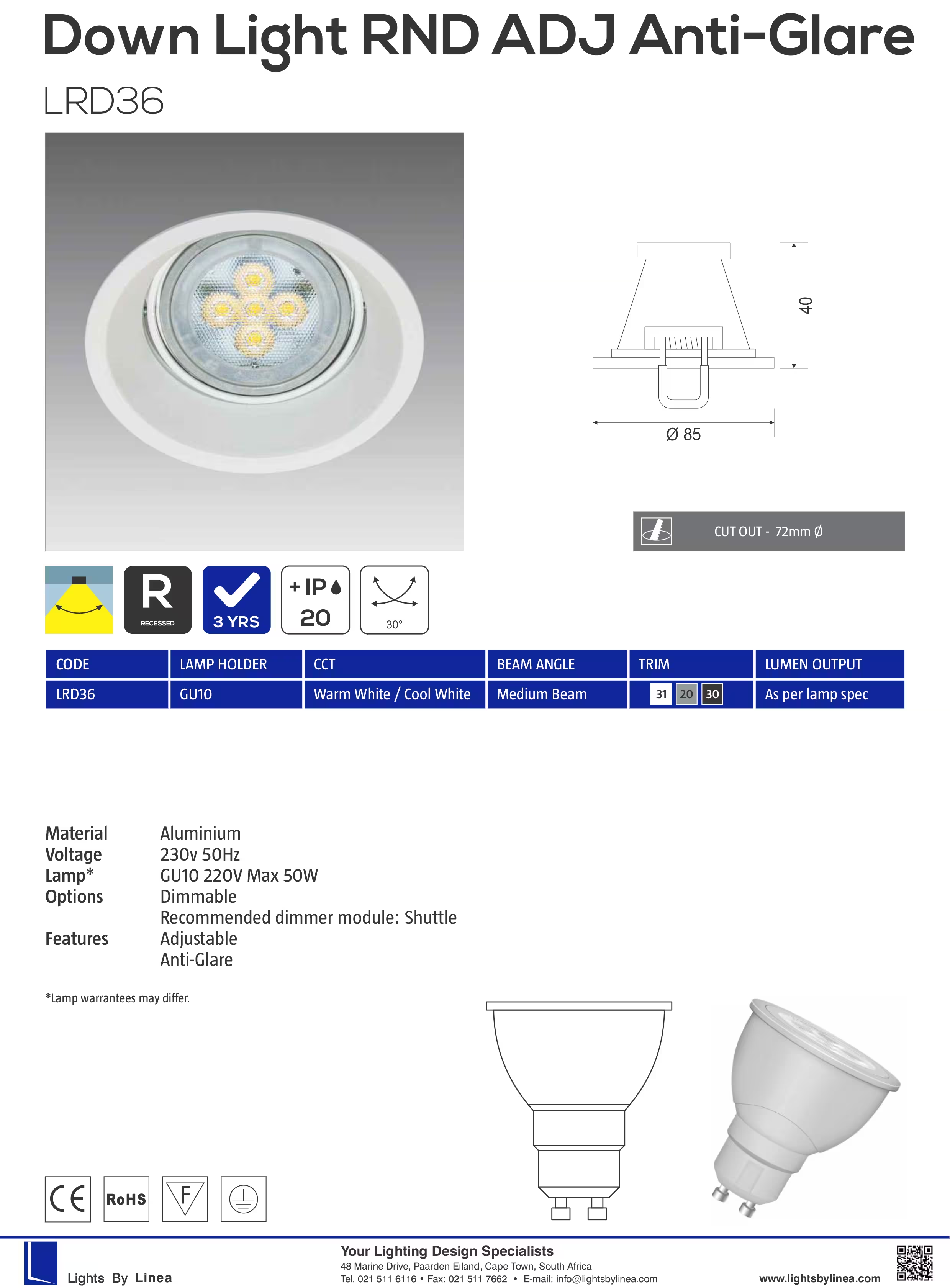
Before
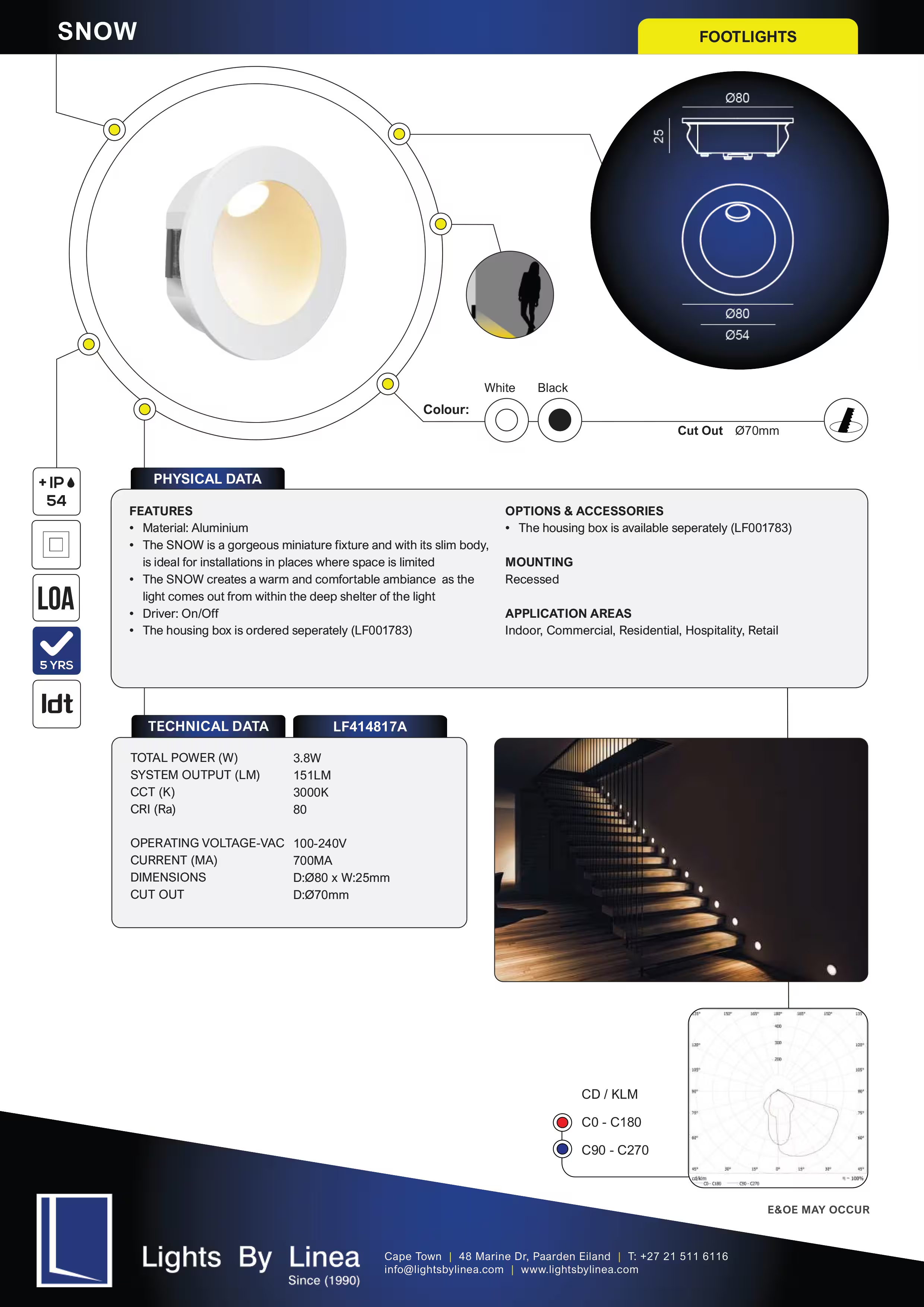
After